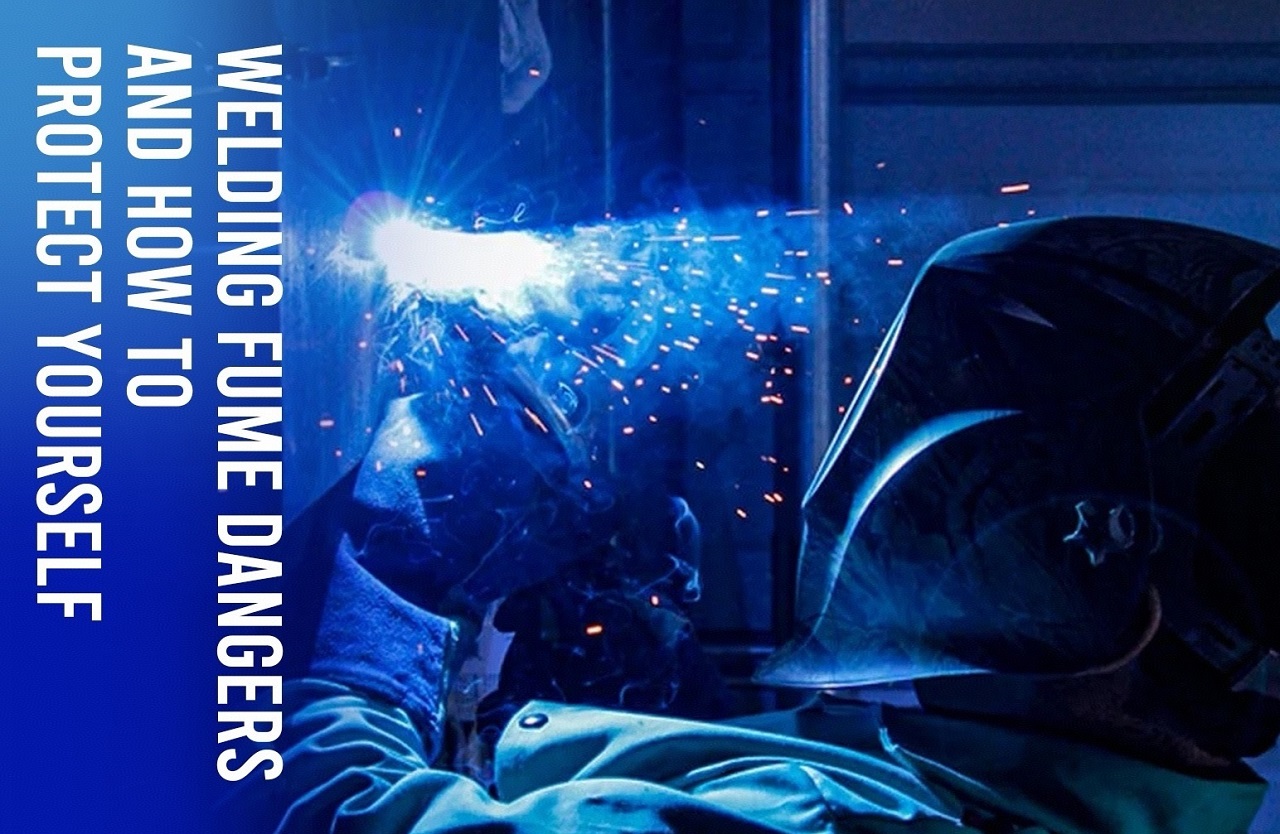
Achieving a meaningful reduction in welding fumes requires a comprehensive strategy encompassing electrode selection, process optimization, ventilation, and work practices. Below, Edward Wu shares his expert insights and TOKO’s specialized low-fume solutions.
50%+
Fume reduction achievable with TOKO ELF electrodes compared to standard types
1Select TOKO's Low-Fume Electrodes
- ELF Series (Extremely Low Fume): TOKO's flagship low-fume electrodes use specialized flux formulations that slash fume generation by up to 50% without compromising arc stability or weld quality. Ideal for E6013, E7018, and stainless grades.
- “Green” & “LF” Variants: Many TOKO electrodes (E6010, E6011, E7016, etc.) are available in low-fume versions. Look for the “LF” designation on packaging.
👨🔬 Edward’s Advice: “In my experience, simply switching to ELF electrodes can cut your fume levels in half – it’s the single most impactful change you can make. I recommend starting with a trial batch to measure the difference in your own shop.”
2Optimize Welding Parameters
- Correct Polarity & Current: Always use the polarity (DC+/DC-/AC) and amperage range specified in TOKO’s technical sheets. Incorrect settings increase spatter and fumes.
- Avoid Over-Amperage: Excessive current overheats the electrode, vaporizing more flux and metal. Use the lowest effective amperage within the recommended range.
- Optimal Arc Length: Maintain a short, stable arc. A long arc increases voltage and heat input, raising fume output. Practice good technique.
3Implement Effective Ventilation
- Local Exhaust Ventilation (LEV): Use fume extraction guns, hoods, or movable arms positioned within 4–6 inches of the arc. This captures fumes at the source before they reach the breathing zone.
- General Ventilation: Supplement LEV with roof vents, wall fans, or downdraft tables to dilute residual fumes. Never rely solely on general ventilation.
- TOKO Compatibility: Ensure extraction systems are compatible with TOKO electrodes – our team can advise on optimal setups.
👨🔬 Edward’s Advice: “I always tell welders: LEV is your first line of defense. Even the best low-fume electrode can’t replace good source capture. Position your extraction arm as close as possible – it makes a world of difference.”
4Proper Electrode Storage & Handling
- Prevent Moisture: Store electrodes in original sealed containers inside a dedicated oven at TOKO’s recommended holding temperature (typically 50–100°C for basic types like E7018). Moisture causes porosity and increases fume generation.
- Avoid Contamination: Keep electrodes clean – oil, grease, or rust on the core wire or workpiece amplifies fumes.
5Optimize Technique & Setup
- Reduce Bead Volume: Use the smallest suitable electrode diameter and optimize joint design to minimize deposited metal and flux volume – directly reducing fume output.
- Correct Work Angle & Travel Speed: Maintain angles per TOKO recommendations and use a steady, appropriate travel speed. Too slow overheats the pool, increasing fumes.
- Clean Base Metal: Remove rust, mill scale, paint, oil, or galvanizing from the weld area. Contaminants are major fume contributors.
- Minimize Arc Blow: Ensure good electrical connections (clean workpiece clamps, tight cables) to avoid erratic arcs that generate extra fumes.
6Maintain Equipment
- Quality Welding Machine: Use a stable, well-maintained power source that provides a smooth arc.
- Clean Cables & Connections: Poor connections cause voltage fluctuations and unstable arcs, increasing fumes.
- Replace Worn Contact Tips: Worn tips cause erratic arcing and higher fume/spatter.
7Administrative Controls & PPE
- Positioning: Position yourself to avoid the fume plume. Use natural airflow whenever possible.
- Training: Train welders on fume reduction techniques specific to TOKO electrodes (storage, settings, technique).
- Respiratory Protection (PPE): Always use appropriate respiratory protection – N95/FFP2 for light work; PAPRs or supplied-air for heavy/extended work. PPE is the last line of defense, not a substitute for other measures.
TOKO-Specific Actions
- Consult TOKO Catalogs & Tech Sheets: Look for “Low Fume,” “ELF,” or “Environmentally Friendly” labels. Review fume generation data (mg/min or mg/g).
- Contact Technical Support: Discuss your application (material, position, joint type) with Edward Wu and his team for personalized low-fume electrode recommendations.
- Request Fume Data: Ask for test results comparing standard vs. low-fume TOKO electrodes – quantify the benefit.
- Request Samples: Test ELF or other low-fume electrodes in your specific application to evaluate performance and fume reduction firsthand.
Frequently Asked Questions
What are the main causes of welding fumes?
Vaporization of metal and flux due to arc heat. Factors include electrode type, current, arc length, and surface contaminants.
How do TOKO ELF electrodes reduce fumes?
Specialized flux formulations cut fume generation by up to 50% while maintaining excellent arc stability and weld quality.
What ventilation is most effective?
Local Exhaust Ventilation (LEV) positioned close to the arc is the most effective. Supplement with general ventilation.
Does optimizing parameters help reduce fumes?
Yes. Using correct polarity, avoiding over-amperage, and maintaining a short arc length significantly reduce fume output.
What PPE is recommended for fumes?
N95/FFP2 masks for light work; PAPRs or supplied-air respirators for heavy or prolonged exposure.
Where can I get more help?
Contact TOKO’s technical team – Edward Wu and his colleagues are ready to assist with tailored solutions.
Summary
The most significant fume reduction comes from switching to TOKO's ELF or low-fume electrodes combined with effective source capture ventilation (LEV). Optimizing parameters, technique, storage, and maintenance further minimizes fumes. Always use respiratory protection as a backup.
Don't compromise on air quality and worker safety. Contact TOKO today to find the perfect low-fume solution for your welding operations.
Disclaimer: The information contained or otherwise referenced herein is presented only as "typical" without guarantee or warranty, and TOKO Corporation expressly disclaims any liability incurred from any reliance thereon. Typical data and test results for mechanical properties, deposit or electrode composition and other properties were obtained from a weld produced and tested according to prescribed standards, and should not be assumed to be the expected results in a particular application or weldment. Actual results will vary depending on many factors, including, but not limited to weld procedure, plate chemistry and temperature, weldment design and fabrication methods. Users are cautioned to confirm by qualification testing, or other appropriate means, the suitability of any welding consumable and procedure before use in the intended application.